All aboard for a spot of fun filled whale watching.
Ok, well after seeing so many Humpback Whales so far It’s hard to believe the population was virtually wiped out in 1907 by the Nanaimo based Pacific Whaling Company. It is even more sad to think the Humpback Whale in British Columbia waters was on the brink of extinction after years and years of intensive hunting. Whaling Humpbacks was eventually and, officially, banned around here in 1964.
It’s taken years for Humpbacks to return to these waters and some early reports go back to the eighties, but these sightings were very infrequent.
Humpbacks are migratory and spend the summers in cool temperate waters feeding and their winters are spent in warmer tropical waters where mating and calving takes centre stage.
The return of Humpbacks to these waters has been a slow gradual process. Female Humpbacks only have one calf at a time and usually only once every few years. Once the calves are born there is little food in warmer waters so they make the long journey to more temperate waters with higher nutrients and oxygen content which, in turn, can support more krill and small fish that the Humpback Whales love to feed on. British Columbia waters are perfect feeding grounds and that’s why the whales have returned.
Although commercial whaling is no longer a threat there are other major threats to the whales in this area.
Entanglement in fishing equipment is probably the biggest issue, and vessel strikes seem to be on the increase as more Humpbacks come to the area. The final threat is a potential shortage of prey as it has been reported that Northern Vancouver Island Humpbacks are relying on juvenile herring to make up half of their energetic feeding requirements. Reports of numbers vary from around 200 to 400 Humpbacks in the waters around here.
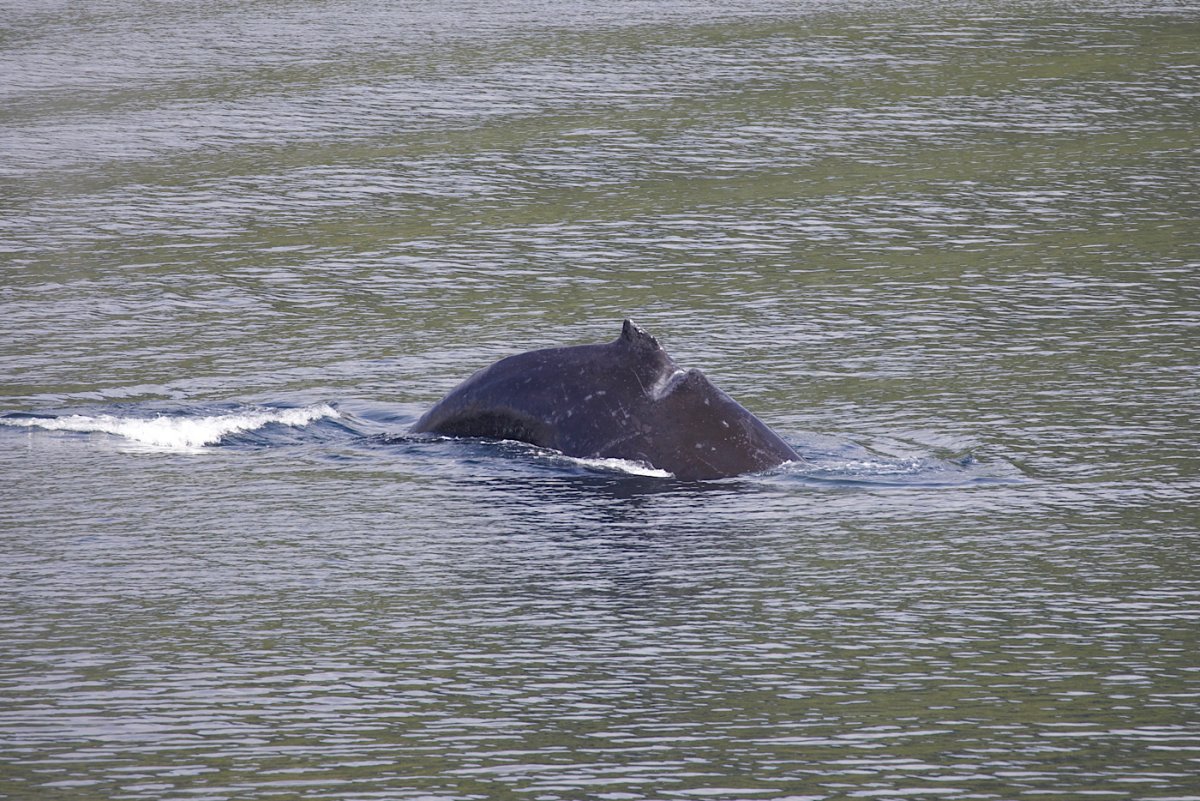
While on the ferry from Prince Rupert to Port Hardy I took a photo of a Humpback that had obviously suffered a boat strike and the wound looked like it was healing up ok. I took the image into the Marine Education and Research Society here in Port McNeil and they confirmed it was a whale that was on their database as being hit by a boat. It’s name was Habit. It was a strange relief to know that it wasn’t another whale that had been hit by a vessel as these numbers are increasing rapidly.
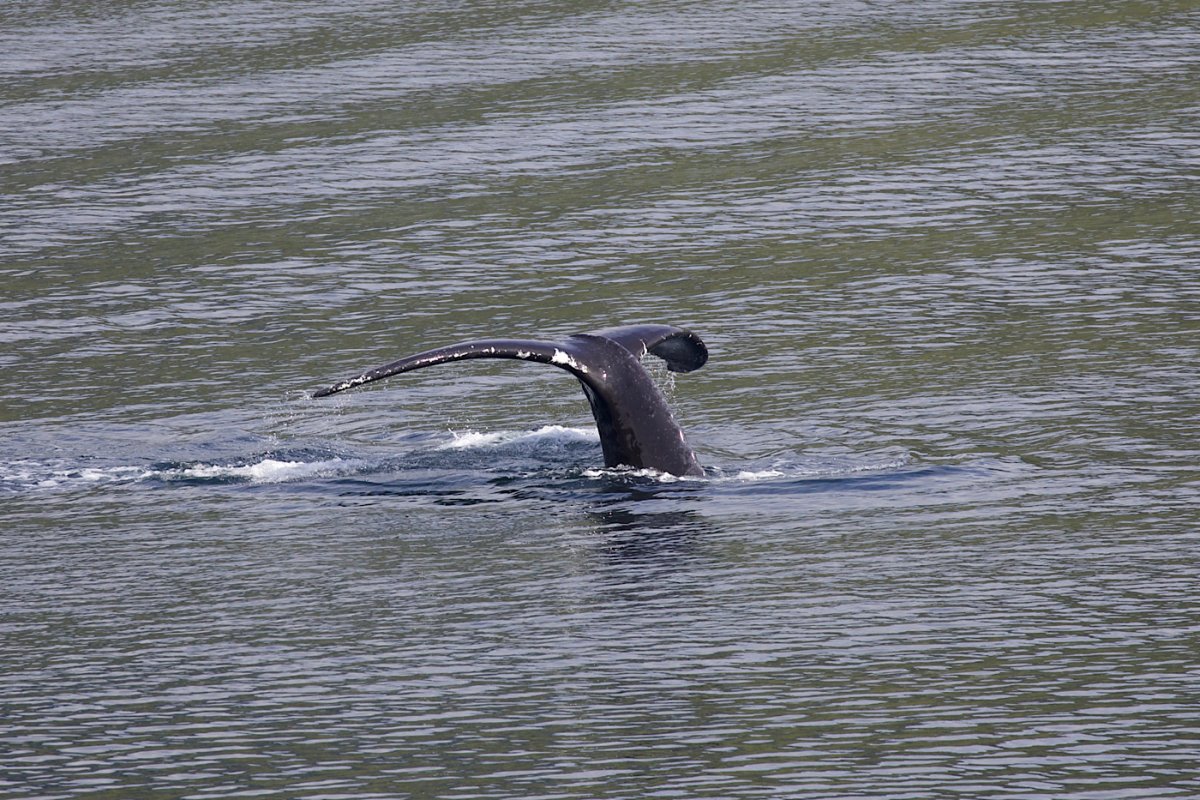
Another Humpback photo from the ferry I showed them was also identified as a whale that hasn’t been seen in these waters since 2016 and I’m waiting for email confirmation of the name of that whale.
So, we come to Orca, the Killer Whale, my spirit animal. If you know me you will know I absolutely love my Blackfish. These cetaceans are beautiful. They glide through the water with the ultimate grace. Blackfish up here are either Northern Residents (Salmon eaters) or Transients (meat eaters, anything goes). On previous whale watching trips we’ve seen many Transient Orca and we’ve even had the absolute pleasure of seeing a pod of endangered Southern Residents, a very special mention to J27 BlackBerry, who beautifully provided me with my first ever breaching Blackfish…. an amazing sight.
I’m terrible on boats so I’d already taken some Kwells to stop any motion sickness.. I do have a tendency to go a little Green and start randomly being sick if the water gets anything higher than a swell of a few inches.
We had booked in with Mackay Whale Watching, Suz had done lots of research into how good the trips were with them.
Bill was our captain for the afternoon and Marieke was providing plenty of brilliant information. They were both great and really knew their stuff, so if you’re ever thinking about whale watching in the north Vancouver Island area I can highly recommend them - McKay’s Whale Watching
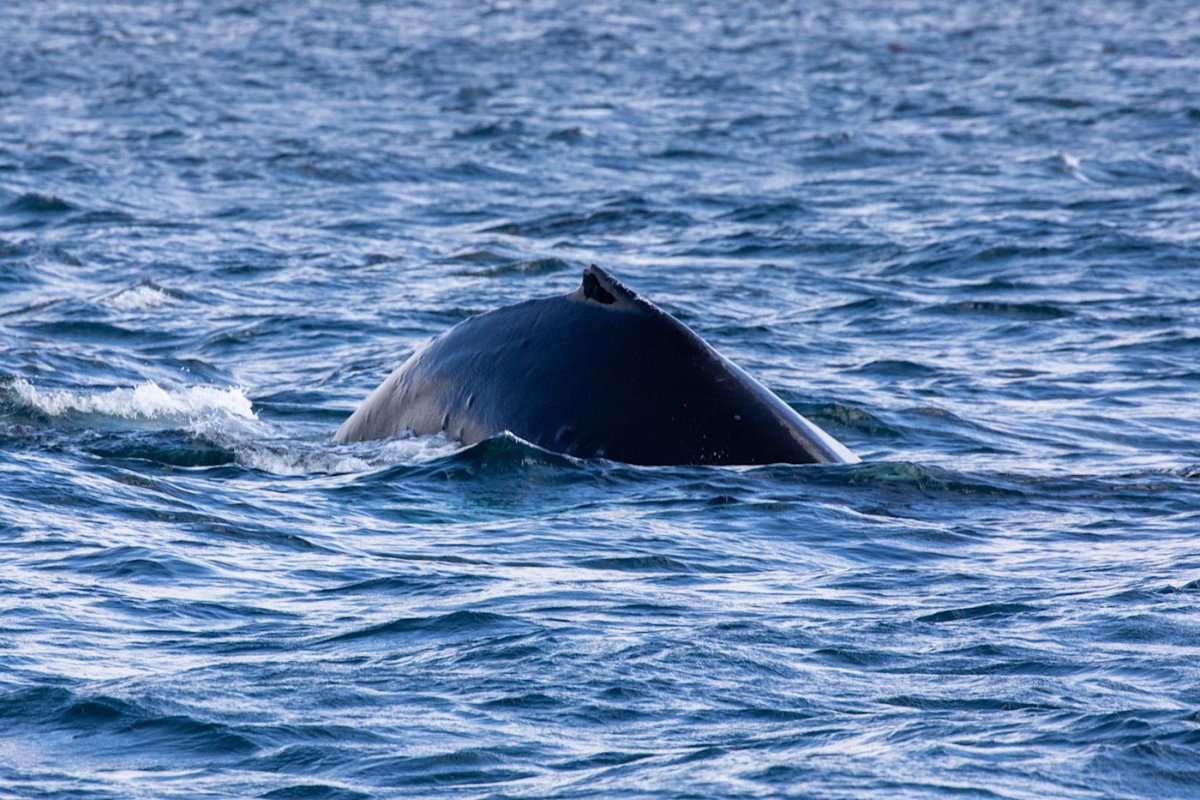
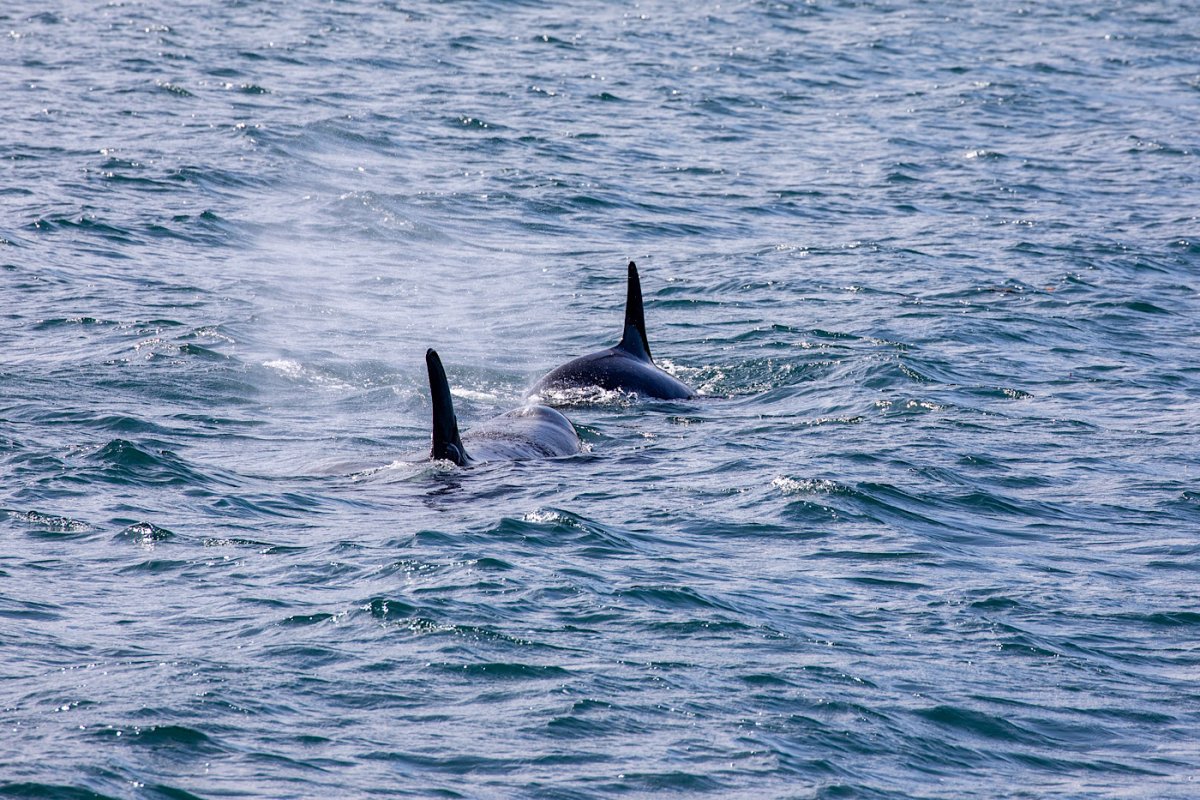
It was quite windy today so I knew the water would be a bit ropey. We set off and it wasn’t too bad as we stayed below deck at the back (it’s far more bumpy on the front and on the top deck when it’s choppy). We hadn’t gone that far and we came across a humpback, a great start. If you’ve never tried photography in choppy water it’s quite an experience, a bit like having the camera on a tripod made of jelly. Anyway, we spent a short time with the Humpback and continued until we reached the Malcolm Island area where we slowed down to watch a small pod of about 6 Orca. These turned out to be Northern Residents I16’s (G Clan). Ok, so I can see you’re wondering what I mean by clan - let me explain.
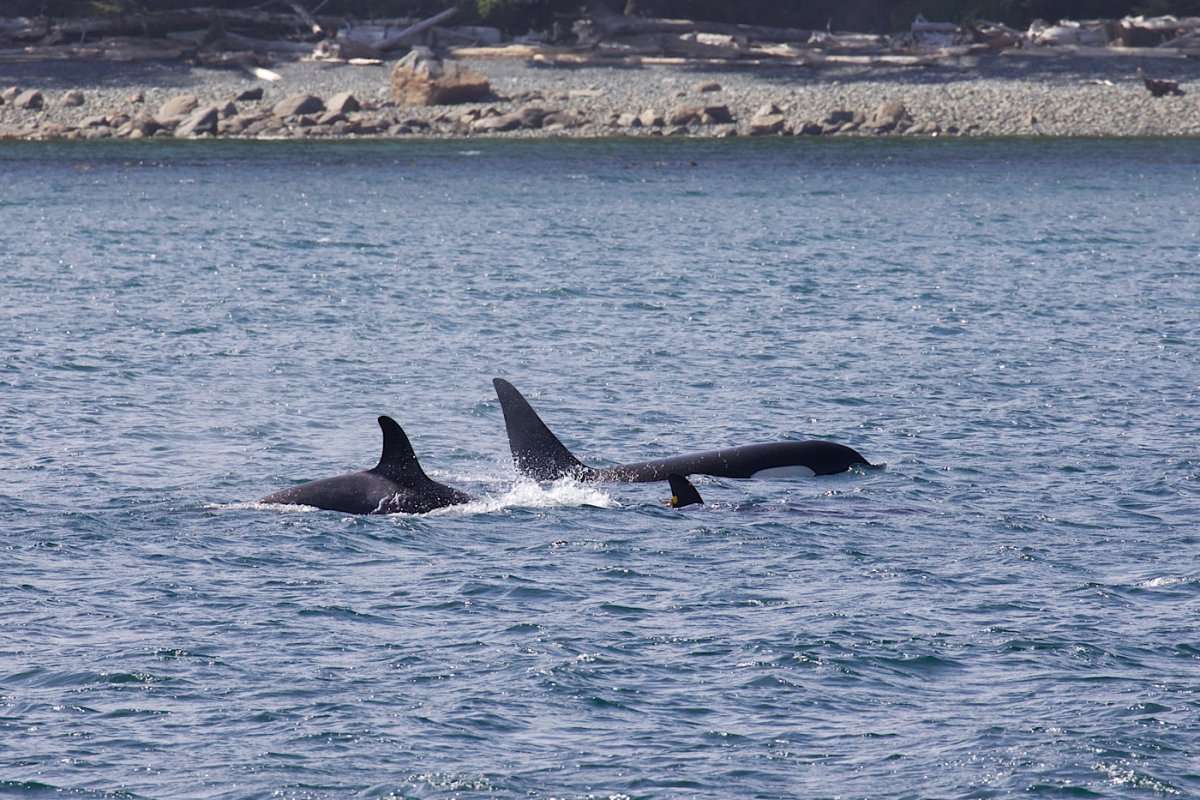
There are around 310 living members of Northern Resident Killer Whales and they are split into three clans, A clan, G clan and R clan. They are then split into a further 15 pods. The different clans have different vocalisations which is like an Orca language. The group we were watching was the I11 pod, I16 matriline and very beautiful it was too, led by the huge male dorsal fin we watched as they playfully made their way up to a rubbing beach near Lizard Point.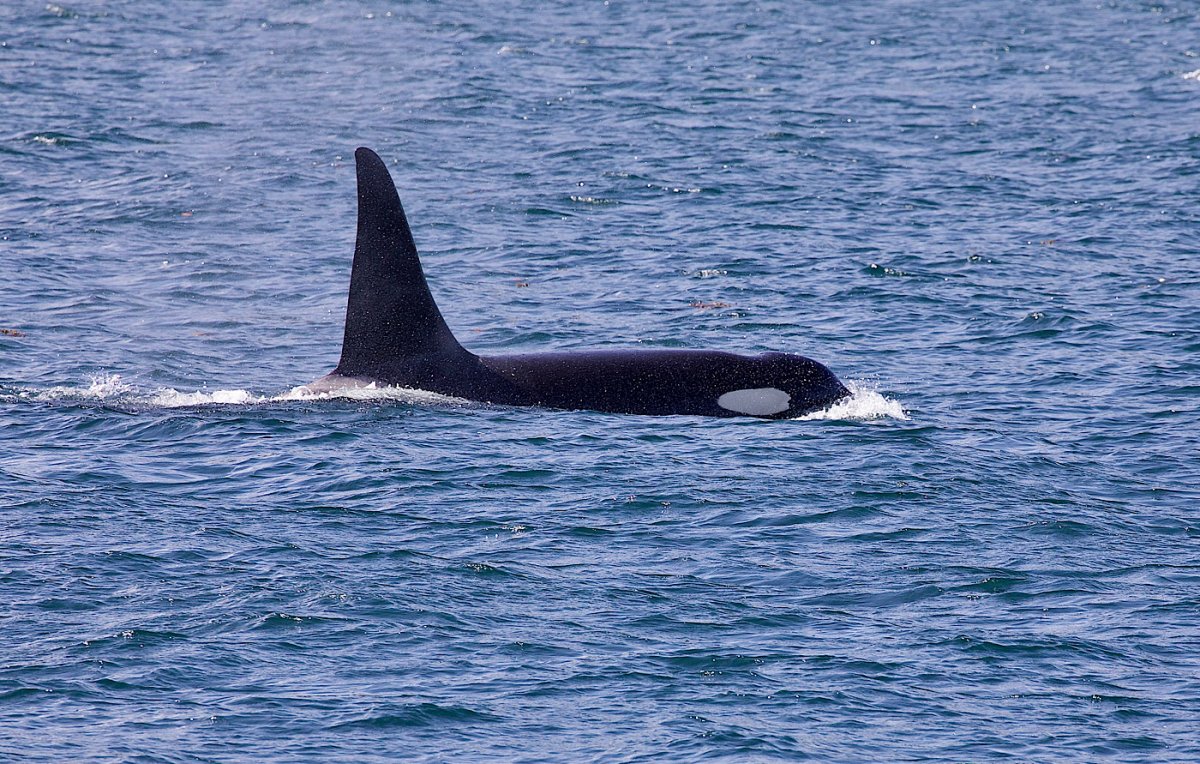
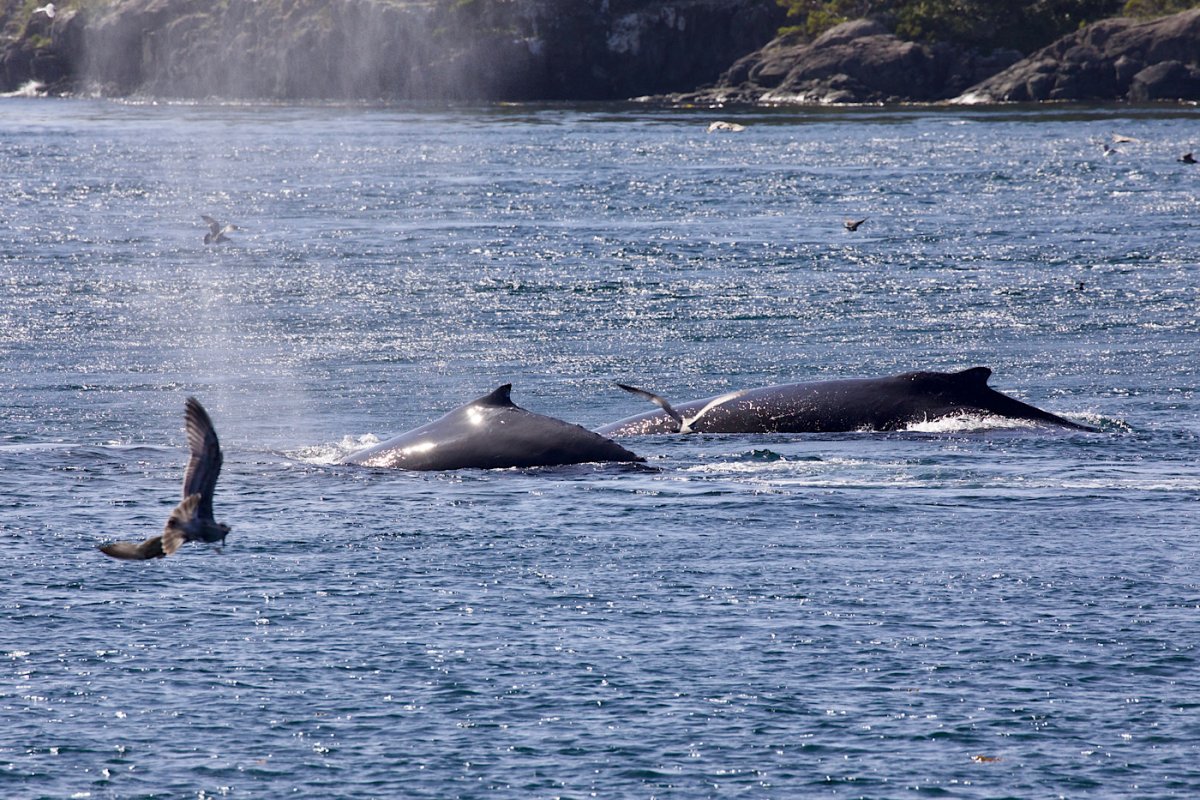
I’ve never seen any of the Northern Residents so it was quite a thing. Taking photos was quite problematic as the boat, when the engine stopped, was just bobbing up and down in fairly big swells and we were in quite open water.. amazingly I felt ok. Adrenaline always gets the better of sea sickness. Suz was struggling with her back a bit, twisting into different positions while trying to get into a comfortable viewing position was proving quite difficult. After a good hour or so watching these fabulous Blackfish we eventually headed back to find more Humpbacks. We found about five feeding on Krill using lunging techniques, you could always tell the areas of concentrated Krill as a huge collection of birds was feeding on it too.
We also saw a few cute little Sea Otters on the way back to base too.
Overall a beautiful way to spend an afternoon watching whales. There’s not much else i’d rather be doing on the west coast to be honest.
One of the best things in all of this is that it’s so good to see so many Humpbacks back in this area. After the history of being intensely hunted it would appear the recovery for them is well underway, and long may it continue.
Oooh and i got to see my lovely little Blackfish.